
Become a member to access the full episode
Start building your big picture mind & support the global emergence of Integral consciousness

“Integral Life is the most important and globally-relevant platform for the leading edge of Integral consciousness evolution”
– Eugene P.
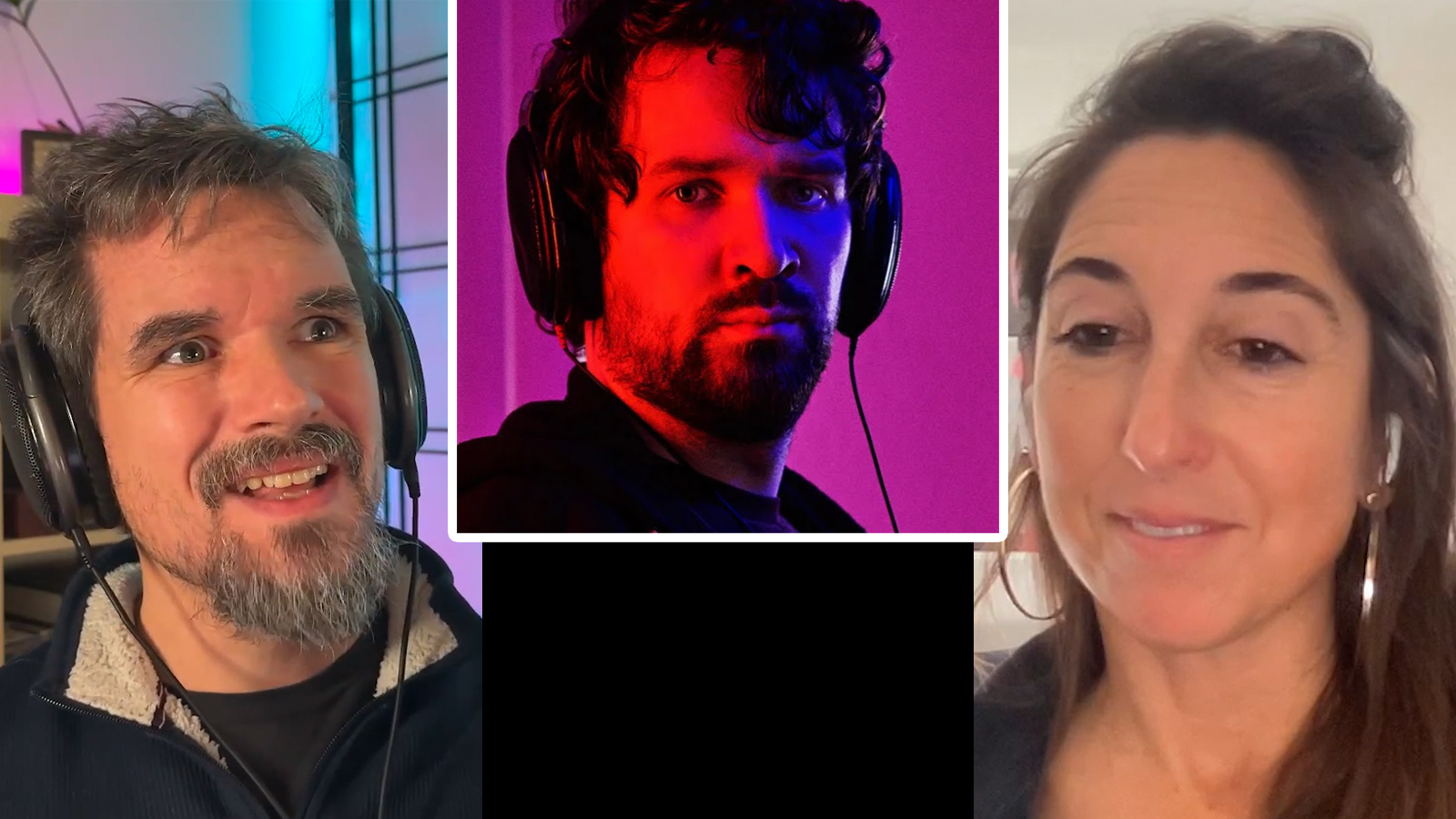
Corey deVos and Stephanie Lepp unpack Stephanie’s Faces of Free Speech—a short-form installation featuring Destiny (Steven Bonnell) performing multiple perspectives on the free speech polarity—then trace why “more speech” only works as a remedy inside healthy information ecosystems. Along the way, they clarify why synthesis isn’t centrist compromise but a sharp integration of the healthiest expressions of opposing poles, and Corey tests the piece through an Integral Life “debate analyzer” prototype that maps polarity, developmental framing, and pathways toward deeper sensemaking.
Perspective Shift:
- Free speech isn’t a binary rights vs restrictions debate; it’s a polarity you have to manage and integrate. The core tension is rights and responsibilities — protecting the freedom to dissent and protecting people from predictable harms of speech. The work isn’t choosing a side; it’s holding both in dynamic equilibrium.
- Synthesis isn’t a 50/50 compromise between two views — it’s a higher-order integration. It takes the healthiest expression of each pole in a polarity, discards their distortions, and forges a sharper frame that can actually hold the whole problem. Not centrist mush — discernment with range.
- Culture wars aren’t only clashes of viewpoints — they’re often developmental diagonals. Either pole in a polarity (rights and responsibilities, freedom and safety, etc.) can be organized and enacted from very different depths: egoic defiance, rational liberalism, postmodern harm-avoidance, or integrative systems thinking. Many conflicts stay stuck because the poles are being argued from different altitudes — not because one side is simply “wrong.”
- Better algorithms don’t have to radicalize, they can scaffold development. Recommendation systems already shape minds — so the real choice is whether they pull people down into narrower illusions of certainty, or pull them up into a deeper/wider perspective, calibrated to where they are and what would help them grow next.
- We’re fighting mirages more than enemies. The information firehose collapses context, exaggerates extremes, and widens perception gaps—so intelligent people become confidently wrong about what “the other side” believes. The fix isn’t only better arguments; it’s better epistemic environments.
In this episode, Corey deVos sits down with producer and storyteller Stephanie Lepp to explore her latest Faces of X installation: “Faces of Free Speech.” The Faces of X project uses a simple but powerful format — thesis, antithesis, and synthesis — to model what our culture almost never does on hot-button issues: hold competing truths in the same room, then integrate them into a wider frame.
At the center is a standout performance by popular streamer Destiny (Steven Bonnell), who embodies multiple “faces” of the free speech debate—defending free expression, naming the real harms of unbounded speech in today’s platforms, and then stepping into a synthesis view that reframes the argument:
Corey and Stephanie unpack the key move: synthesis isn’t “the middle,” it’s the beginning of weaving a more comprehensive perspective—especially in an attention economy that rewards outrage over understanding. The conversation then gets practical: if “more speech” is supposed to be the remedy for bad speech, what happens when speech occurs inside outrage-fueled echo chambers? Stephanie emphasizes the role of context—the health of the information ecosystem itself—and points toward design-level interventions (norms, incentives, and feedback loops) that could reduce the need for constant moderation while increasing the conditions for genuinely healthy discourse.
Finally, Corey shares a prototype “debate analyzer” he’s building at Integral Life — an early example of the kind of sensemaking tools that could help map polarities, track argument quality, and surface pathways toward synthesis — using Faces of Free Speech as a live test case.
If you missed our first conversation with Stephanie, be sure to check it out: we discuss the original Faces of X videos on Capitalism, Abortion, Gender, and Race, and the larger vision behind the project.
And stay tuned: this is Part 1 — we’ll be back soon with a follow-up conversation focused on Stephanie’s next installation, “Faces of AI.”
Learn more about the Faces of X project here.

About Stephanie Lepp
About Corey deVos
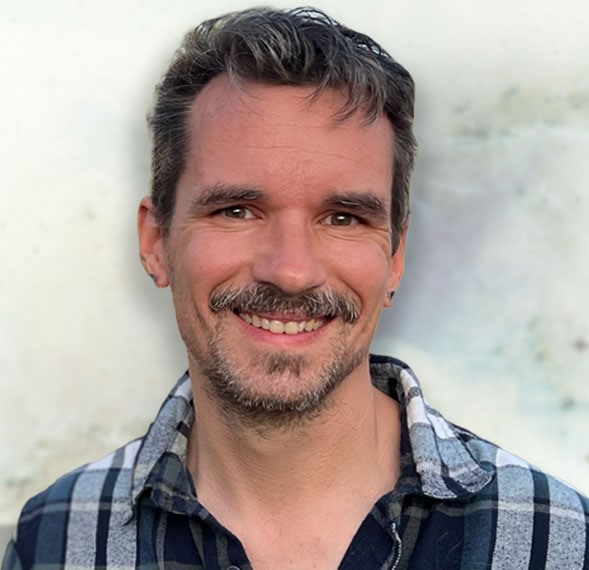
Corey W. deVos is editor and producer of Integral Life. He has worked for Integral Institute/Integal Life since Spring of 2003, and has been a student of integral theory and practice since 1996. Corey is also a professional woodworker, and many of his artworks can be found in his VisionLogix art gallery.