
Integral Psychotherapy: An Introduction

Integral Psychotherapy: An Introduction

In this article Bert introduces and explores some of the diverse schools of psychotherapeutic thought. He then argues that Integral Theory or the “all-quadrant” approach provides a method of organizing and uniting these competing schools of psychotherapy into a coherent whole. The result, as we will see, is a more inclusive, adaptive clinical assessment and treatment.
20th Century Background for Integral Psychology

20th Century Background for Integral Psychology

This paper introduces Integral Psychology (IP) as a mature embrace to the question of what is human nature and how do we best explore it. Historically, wave after wave of various trends and movements have attempted to give psychology a focus and scientific status. After decades of specialization and segmentation (APA has over 50 divisions), IP aims at a mature synthesis of the field. IP mines and integrates the lasting contributions to our understanding of human nature and potential from all psychological schools of thought, disciplinary divisions, and methods of investigation—paying attention to both research and applications. In this paper...
An Introduction to Integral Psychology

An Introduction to Integral Psychology

This article explores how Integral Theory can serve the discipline of psychology in its current, parochial state by offering a framework for unification. While psychology has evolved as a science, the trend toward specialization has rendered it fragmented. Numerous efforts at unification have failed to draw the many specializations together. Until now, no unification theory has offered a sufficiently broad and deep framework to include all aspects of psychology. This paper offers a view of how Integral Theory can serve as a uniting framework for psychology as well as its individual disciplines.
Inhabit: Your Humility

Inhabit: Your Humility

Corey and Ryan discuss the importance of cultivating and inhabiting a “confident humility” with relation to our own physical bodies, mental processes, and spiritual health. We also have a fun segment at the end designed to put your own humility to the test, by looking at 10 common integral caricatures — stereotypes that many of us fall into at one point or another during our Integral lives.
Integral Psychiatry: Five Elements of Clinical Theory and Practice

Integral Psychiatry: Five Elements of Clinical Theory and Practice

Pharmacological treatments are the mainstay of current psychiatric practice as effective treatments for a variety of mental disorders. Many recognize the inadequacy of a purely biological treatment for most patients. The psychiatric field appears to be shifting into a more integrative stance with biological and psychosocial treatments. With the vast array of therapies, the Integral approach attempts to embrace all schools of treatment into a coherent whole. Two elements of the AQAL framework — quadrants and levels — are introduced as relevant aspects for Integral Psychiatry.
Honesty, Humility, and Reality Distortion Fields

Honesty, Humility, and Reality Distortion Fields

Dr. Keith and Corey discuss “the H Factor” — a variation of the Big 5 personality typology that adds a critical sixth trait, honesty and humility. Watch as we take a deep dive into the psychological benefits of honest self-reporting, a healthy epistemic humility, and the sorts of “reality distortion fields” that seem to emanate from certain personalities.
How to Manage Passive Aggression

How to Manage Passive Aggression

Watch as Dr. Keith and Corey explore the many ways passive aggression, anger, and codependence create more separation between people and degrade our capacity for love, while assertive processing of anger creates more intimacy and safety. Learning how to take a pause before aggressive or passive-aggressive action gives the opportunity to cross-validate through all four quadrants, and to take our overall kosmic address into account.
Martial Arts and Psychotherapy

Martial Arts and Psychotherapy

Dr. Keith and Corey explore the fertile intersection between martial arts, psychotherapy, and integral living. Watch as Keith shares the deep wisdoms he has received from his own lifelong martial arts practice, and how those wisdoms directly inform his approach to his own psychotherapy practice and the various healing strategies he draws upon.
Escaping Narcissism

Escaping Narcissism

In this episode of Witt & Wisdom we take a careful look at these narcissistic tendencies and how they express themselves in all four quadrants, and at every major stage of development. We hope that this discussion will help you identify whatever narcissistic traits you may be carrying with you, and to consciously wield your positive self-esteem without being seduced by our own self-importance.
Into the Dreaming

Into the Dreaming

Our dreams are often drenched in meaning, significance, and symbolism. But it is often very difficult for us to make sense of our experiences in the dream world, and to hoist these treasures out of the surreal and into the real. Our dreams typically communicate to us in the language of the bizarre, and more often than not we need some guidance in order to better understand them and extract whatever wisdoms they may offer us. Watch as Dr. Keith and Corey explore the murky depths of our own unconsciousness, and try to shine some light upon some of the...
Overcoming Confirmation Bias

Overcoming Confirmation Bias

Dr. Keith and Corey explore the two primary forms of reasoning — confirmatory reasoning, otherwise known as “confirmation bias”, and exploratory reasoning, which considers multiple perspectives and anticipates criticism and objection to one’s views and positions.
Love, Conflict, and Play

Love, Conflict, and Play

Keith and Corey talk about how all play is an abstracted version of fighting, and how we can always draw upon our evolutionary capacity to transmute our basic animal drives into art, goodness, and greater understanding.
Unpacking the Integral Enneagram

Unpacking the Integral Enneagram

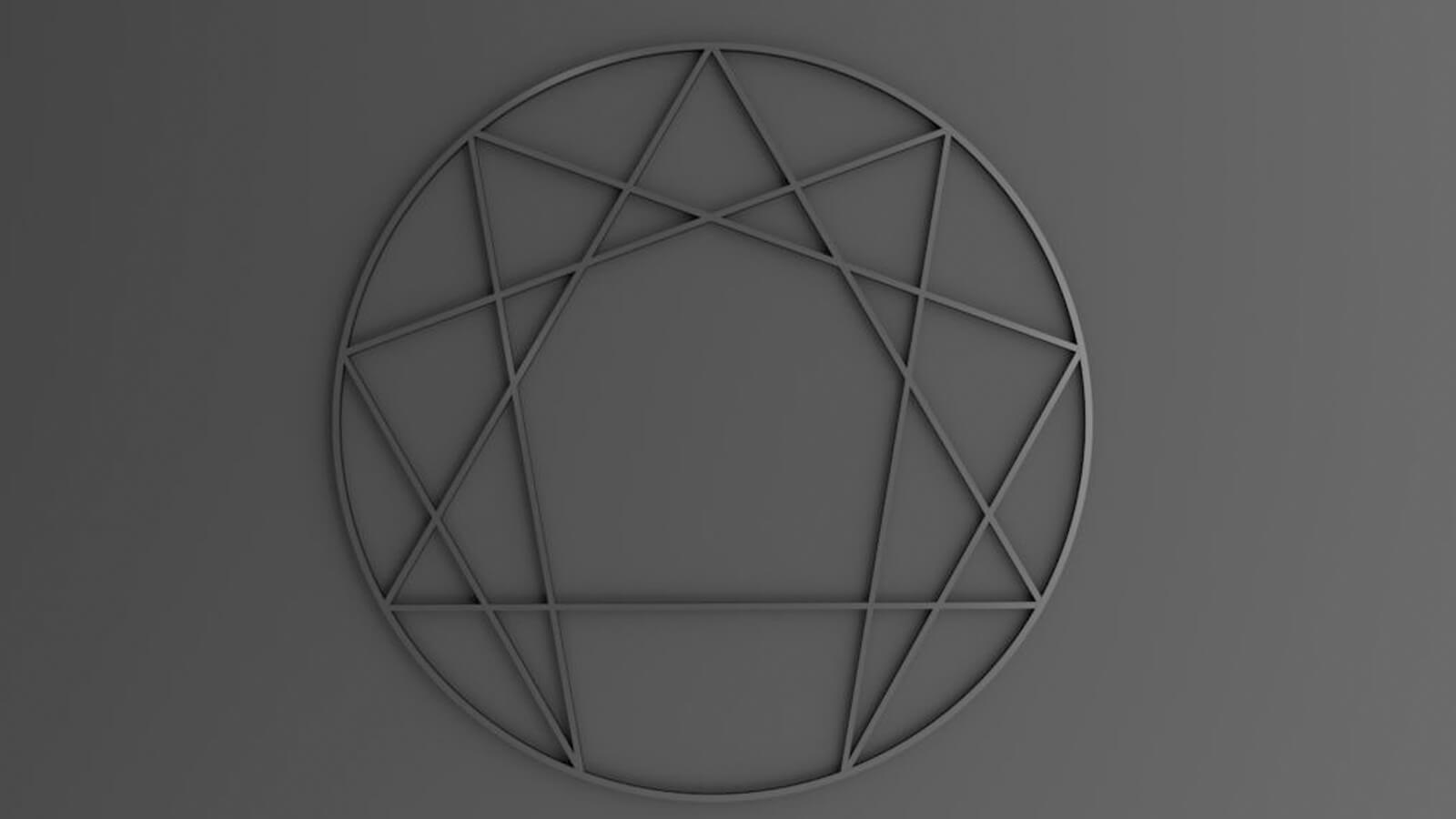
What exactly is the Enneagram, and what makes it such a helpful tool when it comes to our ongoing growth and awakening? Watch as Lisa and Corey offer a broad introduction to the Integral Enneagram, as well as to the many Enneagram offerings we currently have available on Integral Life.
The Invisible Audience

The Invisible Audience

Watch as Dr. Keith and Corey have a fascinating discussion about the "Invisible Audience", helping you make these unconscious observers just a bit more visible to you.
Putting the Pieces Back Together

Putting the Pieces Back Together

Corey and Keith discuss the psychological and cultural aftermath of the 2020 Presidential Election, and the integral work ahead of us to help put the fragmented pieces of our society back together in the post-Trump era.
Illuminating Shadow: Family, Community, and Relationship

Illuminating Shadow: Family, Community, and Relationship

Corey and Keith are joined by a very special guest, Keith’s daughter Zoe Witt, for this tremendously touching exploration of shadow in family, in relationships, and in the Integral community itself.
Your Enneagram Type: An Introduction

Your Enneagram Type: An Introduction

Welcome to the Integral Enneagram Practice series! On this page you can find some introductory material by practice leader Lee Mason to help familiarize yourself with the Integral Enneagram and the nine different personality types it describes.
Just Breathe: How to Manage Your Stress and Find Your Flow

Just Breathe: How to Manage Your Stress and Find Your Flow

Your breath is a direct channel to the flow state. Watch as Dr. Keith and Corey explore this elegantly simple practice, one that can bring you more joy, more fulfillment, and more anti-fragile strategies to manage and master the outrageous pressures of our lives.
An Integral Tour of Consciousness Studies

An Integral Tour of Consciousness Studies

Consciousness is not only found in the Upper-Left quadrant in Integral Theory, which concerns itself with individual subjectivity and experience; rather consciousness is located in each of the four quadrants. This short essay examines how consciousness reveals itself and is studied in each of the four quadrants within Integral Theory.
Consciousness as Embodied, Embedded, Enmeshed

Consciousness as Embodied, Embedded, Enmeshed

Consciousness is all too often understood purely in subjective terms. An Integral approach recognizes that subjectivity is only one of four dimensions to consciousness. This article proposes that consciousness (subjectivity) cannot be understood independent of its co-arising with bodies (objectivity), cultures (intersubjectivity), and systems (interobjectivity).
Inhabit: Your Shadow

Inhabit: Your Shadow

Ryan and Corey explore ways to bring more embodiment to your shadow practice, allowing you you to recognize your shadow in 3rd person, to relate with your shadow in 2nd person, and to finally reclaim and inhabit your shadow in your own 1st-person experience.
Mindfulness, Psychotherapy, and Politics

Mindfulness, Psychotherapy, and Politics

Dr. Keith and Corey lead a fascinating discussion that brings us to the heart of psychotherapy, mindfulness, and spiritual awakening, and then apply this transformational wisdom to the social and political challenges we are surrounded by.
Integrating Shadow

Integrating Shadow

Ken and Corey offer a stunning overview of the psychological shadow. Ken describes several different kinds of shadow, how shadow can show up differently in all four quadrants, and the relationship between shadow, violence, and social transformation.
Integral Mastery

Integral Mastery

The mastery process has been heavily researched — from the initial ignition of passion that makes us want to excel is some area, to embracing growth as progress as the ongoing goal, independent of outcomes. Join us for a fascinating exportation of integral growth and mastery that goes far beyond the typical discussion of “10,000 hours”.
1 2 3 4 5 6 7