Become a member to access the full episode
Start building your big picture mind & support the global emergence of Integral consciousness

“Integral Life is the most important and globally-relevant platform for the leading edge of Integral consciousness evolution”
– Eugene P.
Perspective Shift:
- Your brain isn’t designed to just perceive reality, but to predict it. We walk through the world with mental models, not open eyes. Every moment is shaped by unconscious Bayesian predictions, not raw experience. When reality doesn’t match our models, we either evolve or entrench — and that decision determines our growth, our relationships, and our sanity.
- Mental models aren’t just thoughts — they’re identities. We don’t just believe things. We are the things we believe. That’s why we hold onto self-limiting narratives, even when the evidence disproves them. Because letting go of the story means letting go of the self who tells it — and that can feel like death, even if it’s actually rebirth.
- Growth means tolerating uncertainty long enough to find a deeper truth. The moment your mental model fails, you face a choice: defend the illusion or update the system. Growth requires staying in that disorienting in-between long enough to learn. The more uncertainty you can metabolize, the more consciousness you can hold.
- Integral practice is the art of upgrading your map without losing your compass. Every perspective reveals some truth and conceals others. Integral is not just a synthesis — it’s a spiritual posture: one that holds complexity with humility, contradiction with care, and development with devotion. It’s how we grow without disowning who we’ve been.
Updating Your Models — A Bayesian Approach to Psychotherapy, Relationships, and Reality
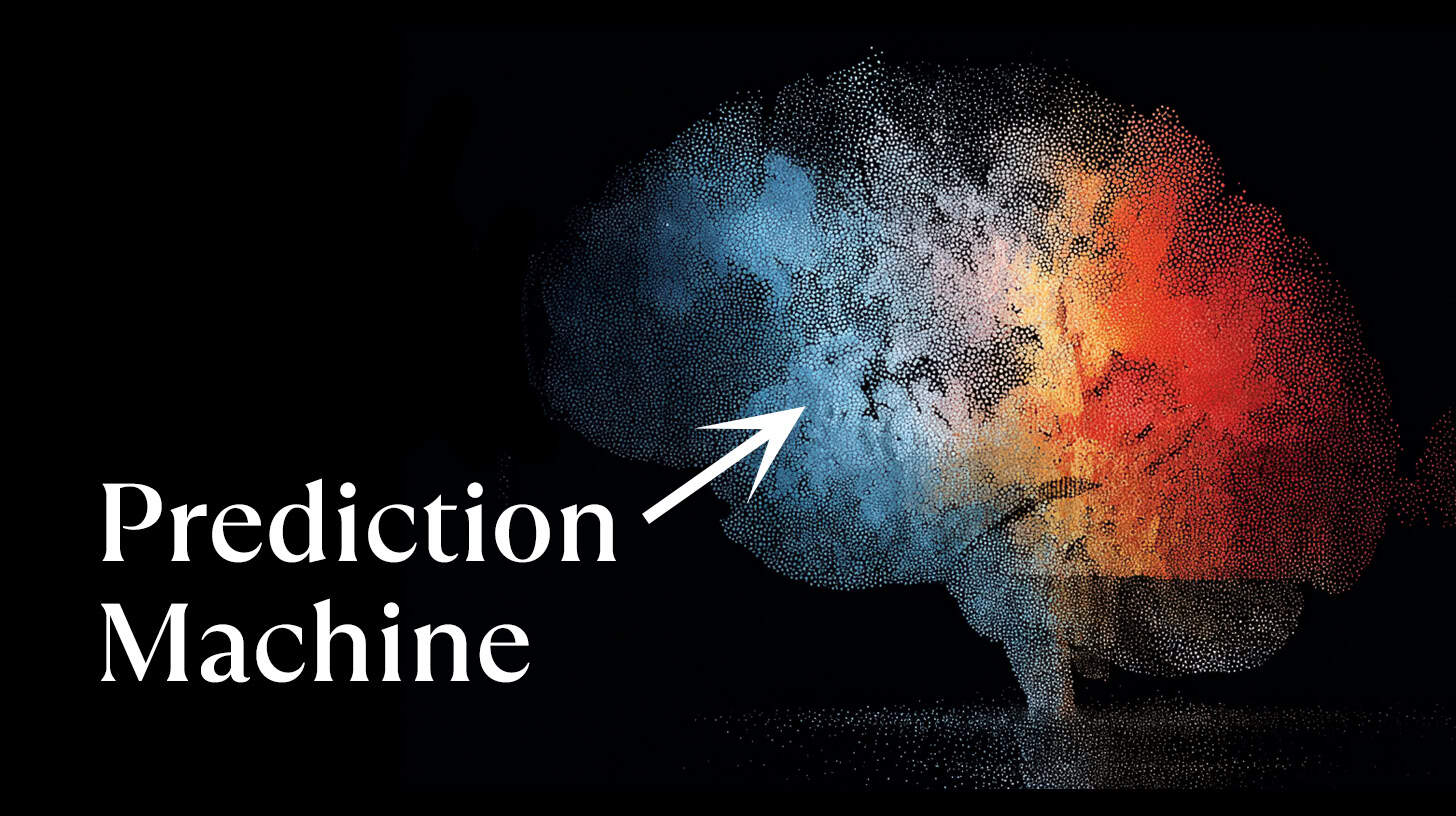
What if your brain wasn’t built to perceive reality — but to predict it?
In this fascinating episode, Dr. Keith Witt and Corey deVos dive into the invisible architecture of our minds: the Bayesian models we unconsciously use to navigate every moment of our lives. Drawing from psychology, neuroscience, philosophy, and integral theory, they explore how these mental models shape not just our thoughts, but our relationships, identities, leadership styles, and even our access to the sacred.
At the heart of the conversation is a simple but transformative insight: we are always making predictions — about ourselves, about others, about what the world will do next. And when reality fails to meet those predictions, something extraordinary happens. There’s a flash of uncertainty, a rupture in the map. And right there, in that tiny gap, lies our greatest opportunity for growth — or our greatest resistance to it.
Keith brings this alive through the lenses of transference and counter-transference, foundational principles in psychotherapy that reveal how often we project our past experiences onto present relationships. But this isn’t just a clinical phenomenon — it’s a core feature of being human. Whether it’s a client projecting a childhood wound onto a therapist, or a lover seeing only the idealized mask of infatuation, or a leader rigidly imposing outdated strategies — we are constantly re-enacting old patterns unless we choose to wake up to them.
And that’s where integral practice becomes essential. Because as Corey and Keith show, healing and transformation require more than insight — they require perspective. When you feel safe, you can update your model. When you don’t, you double down, forcing reality to match your story. Integral theory helps us recognize when we’re operating within a limited frame — and gives us the tools to expand it.
They explore how the Free Energy Principle explains our deep drive to reduce uncertainty, and how this drive can either open us to truth or trap us in self-deception. They unpack the developmental trajectory of mental model awareness — from mythic certainty to rational metacognition to full-on construct awareness and nondual transparency. And they weave in reflections on healthy power dynamics, cultural biases, and the role of love, safety, and presence in any true transformation.
Along the way, you’ll hear:
- Why infatuation is just another kind of projection — and still real in its own way
- How transference is happening in every relationship, not just in therapy
- What it takes to move from “being operated on by your beliefs” to “operating on your beliefs”
- Why psychological safety is a prerequisite for updating our identity
- How leaders can use uncertainty as fuel for innovation, or weaponize it to dominate
- Why you can’t legislate vertical development — and why DEI often fails without developmental awareness
- And how, ultimately, every perspective we take is also a perspective God is taking on us
The episode ends with a profound return to the spiritual dimension, tying these psychological insights to Almaas’ vision of nondual awakening and Corey’s integral GigaGlossary project, as well as a stunning map of 7,200 enactments of the sacred — each revealing a different facet of reality. Because if all we ever really experience are perspectives, then freedom begins when we learn to hold our models lightly, and rest in the awareness behind them.
This is more than a conversation about therapy — it’s a powerful meditation on how we make meaning, navigate complexity, and ultimately wake up to what is most real.
Previous Episodes of Witt & Wisdom















Become a member to access the full episode
Start building your big picture mind & support the global emergence of Integral consciousness
“Integral Life is the most important and globally-relevant platform for the leading edge of Integral consciousness evolution”
– Eugene P.
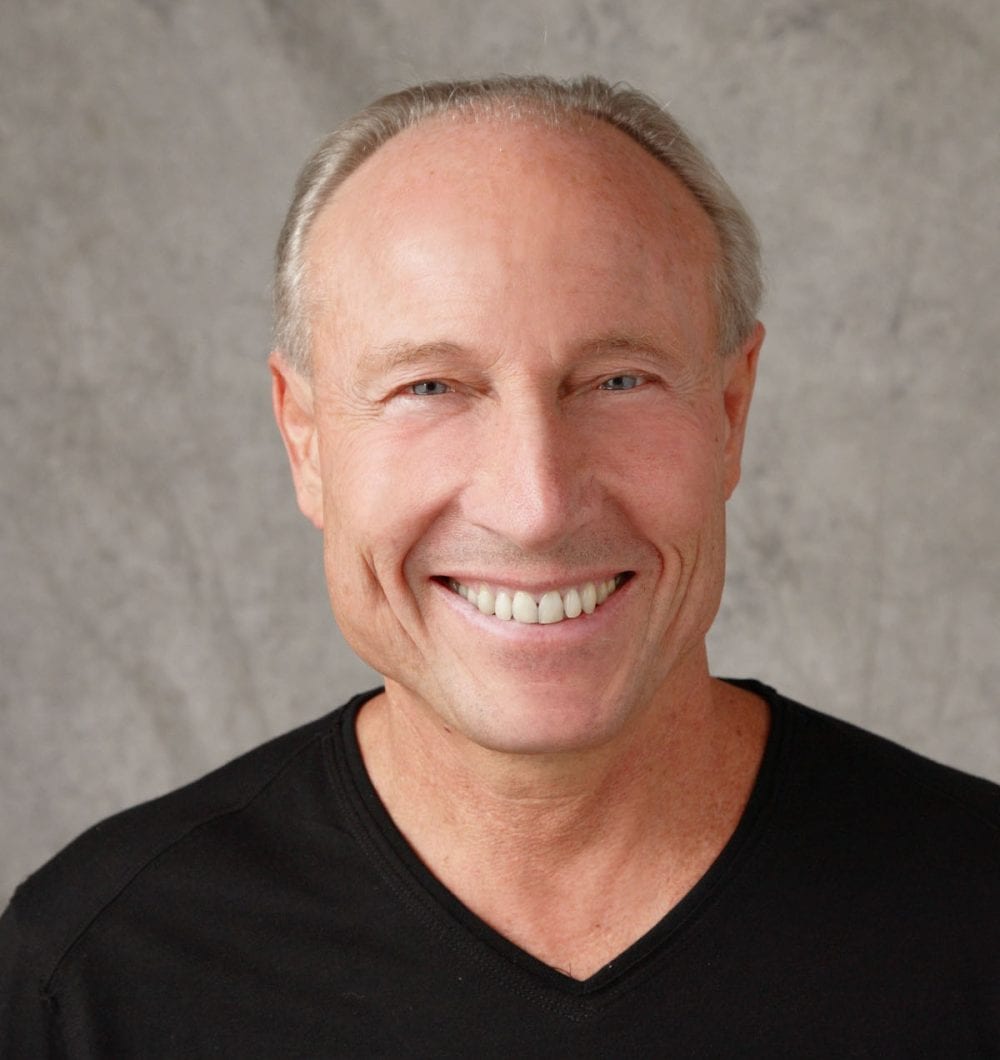
About Keith Witt
Dr. Keith Witt is a Licensed Psychologist, teacher, and author who has lived and worked in Santa Barbara, CA. for over forty years. Dr. Witt is also the founder of The School of Love.
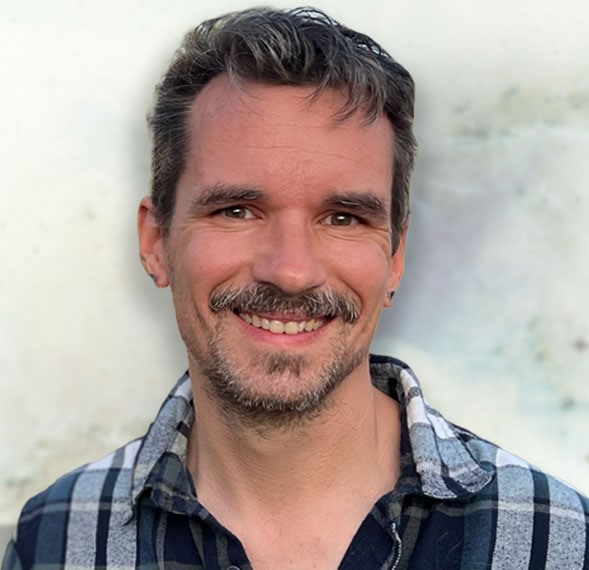
About Corey deVos
Corey W. deVos is editor and producer of Integral Life. He has worked for Integral Institute/Integal Life since Spring of 2003, and has been a student of integral theory and practice since 1996. Corey is also a professional woodworker, and many of his artworks can be found in his VisionLogix art gallery.