

In this episode 4 chapters
- Shadow and the Path
Kim follows the idea of shadow back to Jung and narrows it to the part of the unconscious we can learn from.
- Squashed Passions, Married Illusions
Using a toddler's shut-down autonomy at 1.5 and the green-stage discovery of having married an image of a partner, Kim shows how pulling out a core lie lets healthy impulses and behavior come back on…
- Zooming Out, Seeing Constructs
Kim follows reciprocity from children's play to green's endless group processing.
- Emptiness, Fullness, Boundlessness
Kim warns against chasing higher stages before doing the inner work.
Sometimes in our psychological development the way forward requires us to go back, to re-explore earlier stages of life to see what is distorted or left unintegrated.
This is the theme of the work of my guest today, developmental psychotherapist Kim Barta. He discusses his approach to personal growth, which is based on the STAGES Model of Development created by well-known developmental theorist Terri O’Fallon (who is also Kim’s sister.). Using psychotherapeutic practices, shadow work and meditation, Kim has devised a comprehensive system of self-exploration with stopovers at every stage of development, designed to bring the gifts and powers of that stage online.
Shoring up our developmental scaffolding in this way makes us able – and worthy – to grow into the higher stages of integral consciousness, which Kim and the STAGES model also beautifully illuminate. I hope you enjoy my conversation with Kim Barta!
– Jeff Salzman
More Perspectives
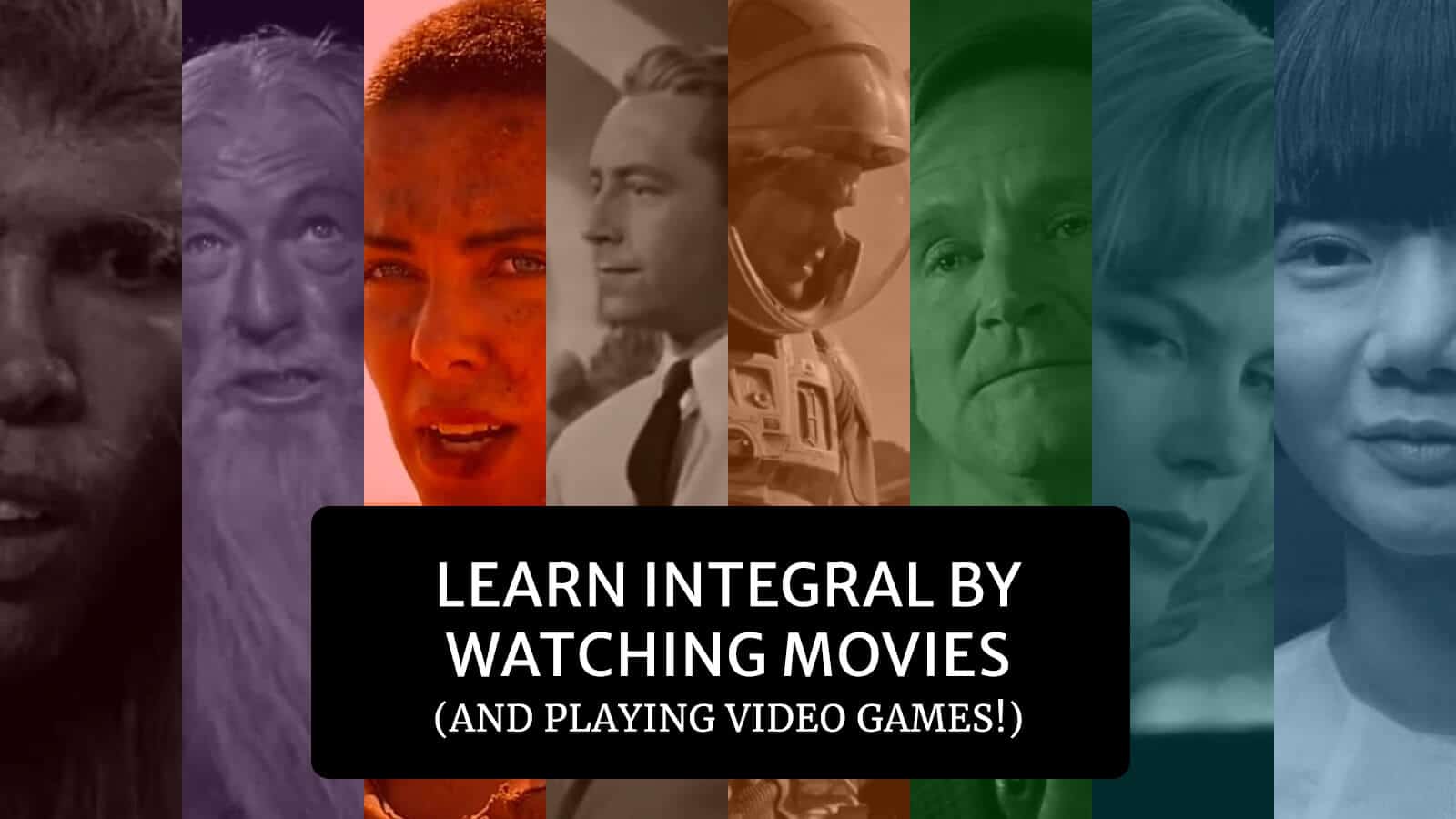
Learn Integral by Watching Movies (And Playing Video Games!)
Corey deVos
Take a cinematic journey through the major stages of human development, using a series of 22 carefully-curated film clips (and more than 30 video games) to illustrate some of the most important qualities of each stage. Because these stages are so difficult to point to in our immediate experience, we’ve compiled a series of short clips from some very popular films and games, each of which demonstrates some aspect of that stage — the view from that stage, the values of that stage, or the general leadership styles associated with that stage — offering some well-known cultural reference points to help flesh out our understanding of these stages of growth and development.
The Many Ways We Grow
Ken Wilber and Corey deVos
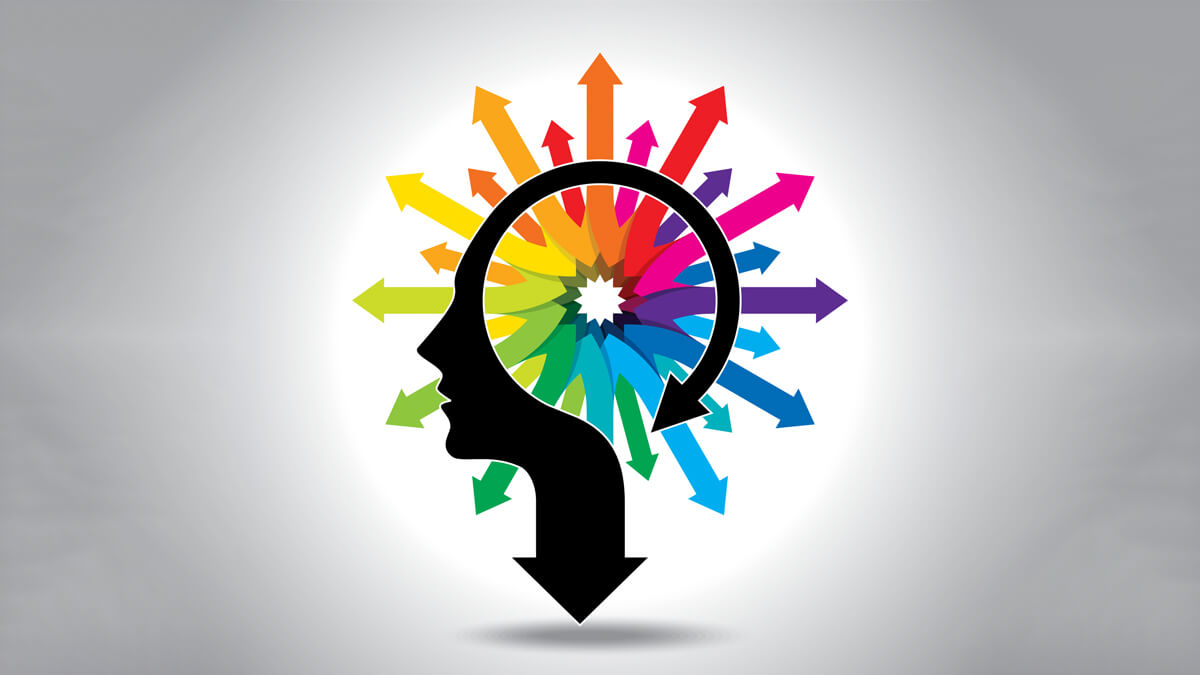
Human development is uneven, which means that we are better at some things than we are at others. Some skills come more naturally to us, and others are more difficult to acquire. These strengths and weaknesses are determined by a number of “developmental lines” or “multiple intelligences” that each evolve through multiple stages of increasing complexity and competency. They are, in essence, a series of adaptive intelligences that have naturally evolved in order to answer the core questions faced by human beings.
Previous Episodes of The Daily Evolver





About Jeff Salzman
Jeff Salzman worked with Ken Wilber for several years in building the Integral Institute. He is a co-founder of Boulder Integral, the first bricks-and-mortar venue dedicated to the development of integral consciousness. These days Jeff provides integrally-inspired commentary on politics and culture on Integral Life and The Daily Evolver.
