

In this episode 9 chapters
- What Makes Therapy Teal
Corey and Keith go back to basics and define integral-altitude psychotherapy by the therapist's level of development.
- Many Maps, Open Heart
Teal therapists treat each school of psychology as a partly true tool and trust their adaptive unconscious to pick which one to use.
- Relate, Inspire, Confront
Keith describes the six things therapists do and leads a short live ceremony to show what inspiring someone looks like.
- If It Quacks Like Therapy
Keith gives a simple test for who needs therapy and argues that therapy happens whenever one person agrees to help another, with or without a license.
- Suffering and Chosen Happiness
Corey traces how each stage answers the question 'why do I suffer?', from God's will at amber to personal responsibility at teal.
- Toward an Integral Clinic
Corey sums up the episode's main themes and closes with Ken Wilber's idea of an integral clinic, where generalists send clients to the right specialists.
- Teal Versus Turquoise
Answering a viewer's question, Keith describes turquoise therapy as a turquoise therapist working with a mostly-teal client, which is deeply rewarding but easy to get lost in.
- Riding the Unconscious Waves
Keith explains the adaptive unconscious as a huge intelligence below awareness that keeps sending us helpful and harmful impulses, with intuition as one part of it.
- No Guru, Only Growth
Keith gives practical steps for bringing teal into practice, including always having a peer who gives honest feedback.
Become a member to access the full episode
Start building your big picture mind & support the global emergence of Integral consciousness

“Integral Life is the most important and globally-relevant platform for the leading edge of Integral consciousness evolution”
– Eugene P.
Perspective Shift:
- Therapy evolves with development. At higher stages like Teal and Turquoise, therapy remains essential, shifting from problem-solving to cultivating wholeness, love, and optimal engagement with life’s processes.
- Therapy integrates multiple frameworks. Integral therapists weave diverse schools of psychology into a dynamic system that adapts to the client’s unique needs, rejecting “one-size-fits-all” approaches.
- Development is ongoing, never static. Every stage of growth introduces new blind spots and challenges, with each level’s limitations driving movement toward the next.
- Therapy is for everyone, not just the struggling. At advanced stages, therapy becomes a tool for deepening self-actualization, alignment, and personal wholeness, no matter how “healthy” a person may already be.
Join Dr. Keith Witt and Corey deVos in this expansive and enlightening episode as they dive deep into the heart of integral psychology. Together, they explore the defining characteristics of Teal and Turquoise approaches to psychotherapy, offering practical insights into what makes these stages of development transformative for both clients and practitioners.
This episode dives straight into the profound questions shaping integral psychotherapy today, as Corey and Keith explore how psychology evolves from its roots in the Orange stage to the construct-aware insights of Teal and Turquoise. With warmth and depth, they reflect on how integral theory provides a unifying framework for understanding the complexities of human development, offering practical insights into personal growth and therapeutic practice.

Context Map: Schools of Psychology [click to open in new tab]
Here’s what you’ll discover in this episode:
- What is Teal Psychology?: Learn how Teal therapy integrates mind, body, relationships, and life systems into a coherent framework that organizes all schools of psychology and psychotherapy.
- What is Turquoise Psychology?: Discover how the Turquoise stage brings construct-awareness to our own blind spots, enabling a broader orchestration of life’s dynamics and greater participation in the cosmic dance of emergence.
- The Six Practices of Integral Therapists: Dr. Witt outlines the six essential roles therapists play—Relate, Teach, Inspire, Confront, Interpret, and Direct—and how these roles cultivate healing and growth at any stage of development.
- Life as Process: Explore the idea that life is a series of interconnected processes, and health is about optimizing these processes in all areas of life.
- The Importance of the Wise Self: Dive into the role of self-awareness, autonomy, and empowered self-organization in fostering personal transformation.
- Integral Clinics and Contextual Healing: Ken Wilber’s vision for an integral clinic model, where generalists and specialists collaborate to create customized psychographs and treatment paths for clients.
You’ll also hear thoughtful reflections on:
- How therapy has shifted culturally, becoming more accessible and less stigmatized for younger generations.
- The enduring value of therapy, even at higher stages of development, as a tool for identifying blind spots and navigating life’s challenges.
- Why spirituality, higher states of consciousness, and “the other world” are critical components of integral psychotherapy.
Dr. Witt masterfully connects theory and practice, sharing personal anecdotes and tangible advice for therapists and clients alike. Whether you’re an experienced practitioner, a therapy enthusiast, or simply curious about how to live with greater depth and alignment, this episode offers a roadmap for navigating the complexities of human development with grace and love.
Previous Episodes of Witt & Wisdom










Become a member to access the full episode
Start building your big picture mind & support the global emergence of Integral consciousness
“Integral Life is the most important and globally-relevant platform for the leading edge of Integral consciousness evolution”
– Eugene P.
About Keith Witt
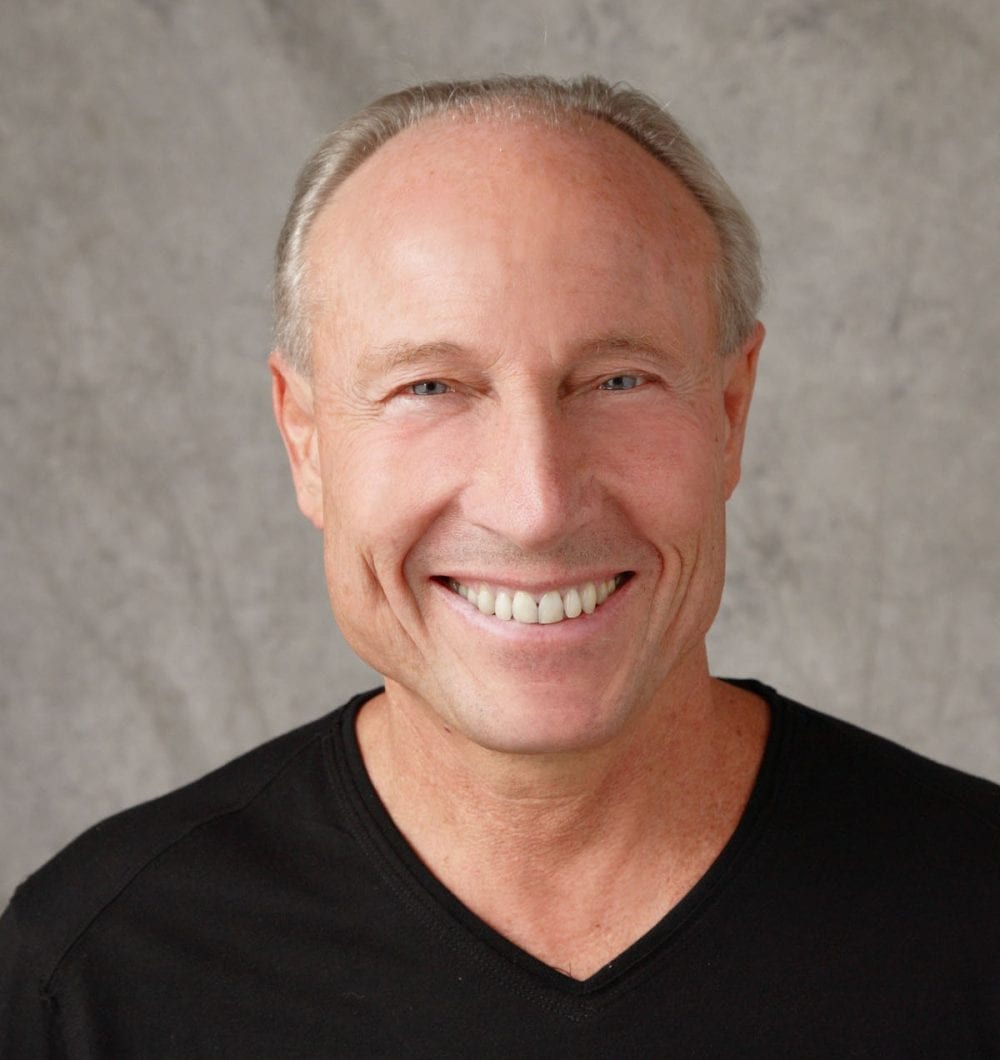
Dr. Keith Witt is a Licensed Psychologist, teacher, and author who has lived and worked in Santa Barbara, CA. for over forty years. Dr. Witt is also the founder of The School of Love.
About Corey deVos
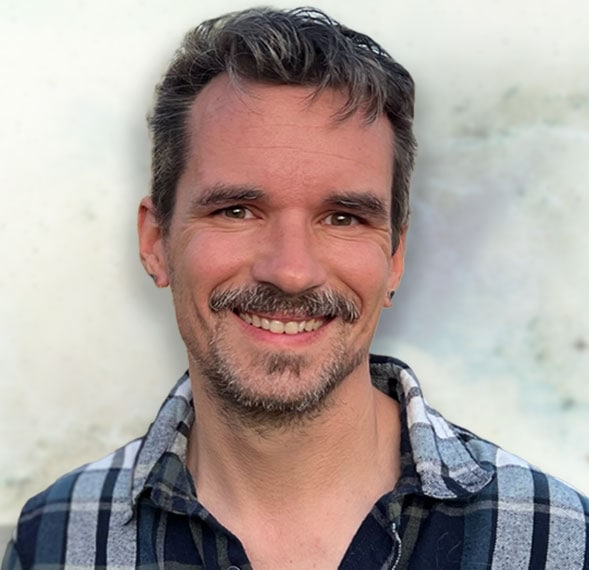
Corey W. deVos is editor and producer of Integral Life. He has worked for Integral Institute/Integal Life since Spring of 2003, and has been a student of integral theory and practice since 1996. Corey is also a professional woodworker, and many of his artworks can be found in his VisionLogix art gallery.
