You’re not going to have a sustainable global economy unless you have governance that’s on the same scale as the economy it’s supposed to bloody govern!John Bunzl
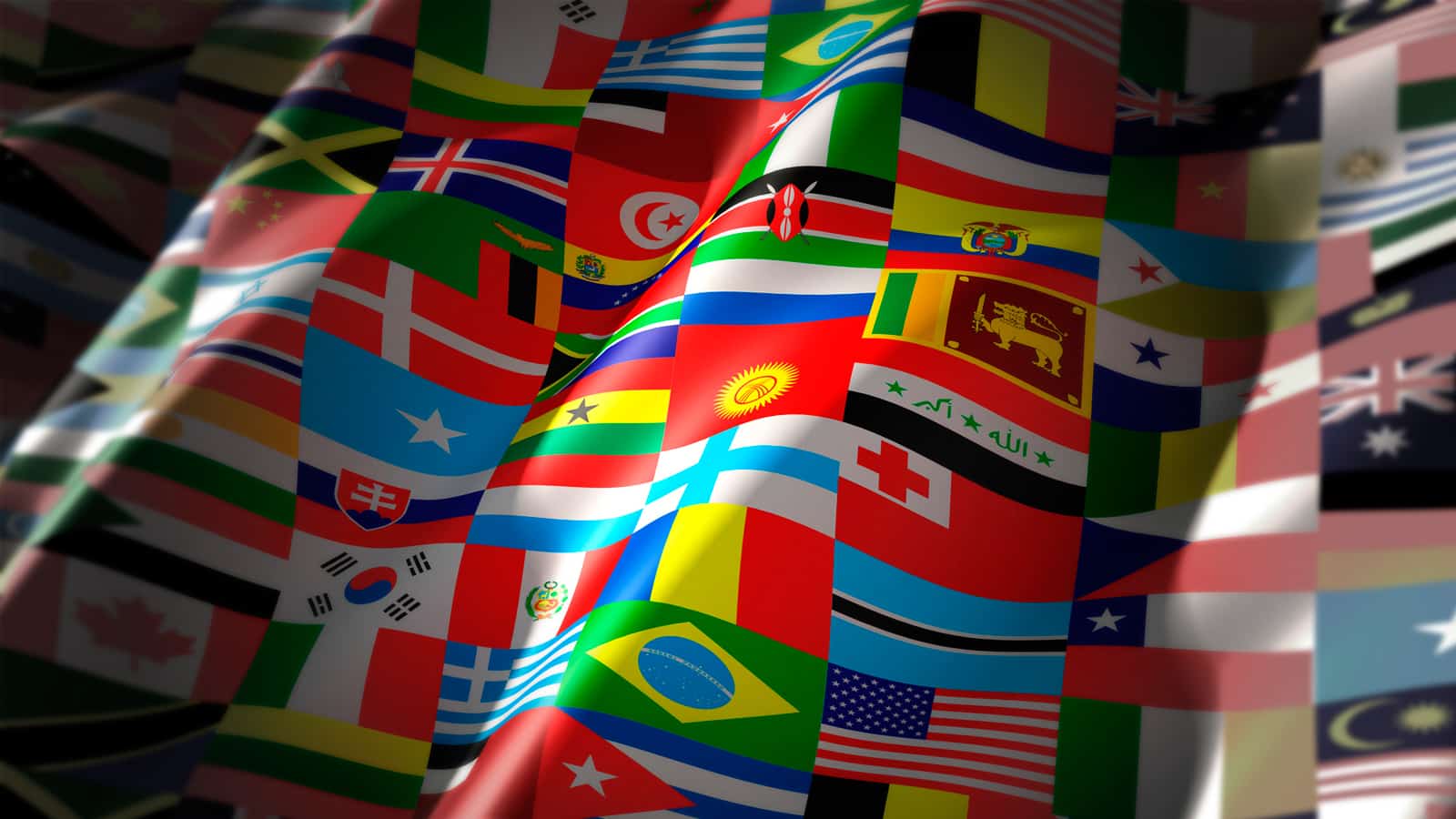
From the earliest tribal villages, bonded by blood and survival, to mighty empires forged by stone, steel, and strength; to sprawling kingdoms held together by myth, nobility, and theocracy; to the rise of modern democracies guided by discovery and the self-evident truths of Reason; to the emergence of environmental values and sustainable endeavors in the postmodern age; to today’s vision of a more integrated planetary civilization…. Every step of the way, humanity has met the many problems faced by civilization in the same way: by building bigger, better, more enduring civilizations—bigger economies, better technologies, and ever-increasing standards of civic participation.
And so humanity has marched triumphantly from the dawn of civilization into this newly globalized world we find ourselves in today, solving the problems of one level by advancing to an entirely new level of governance and social complexity.
And the march continues. Once again our problems have outpaced our systemic capacity to solve, demanding yet another shift to a more complex and more integrated society. Climate change, global poverty, workers’ rights, corporate accountability, market instability, corporate plutocracy—these are just some of the problems have grown too large and complex for any individual nation to handle. As our problems continue to grow on a planetary scale, and as individual nations become increasingly ill-equipped to solve these problems, the need for us to create a truly global governance that supersedes the modern nation-state becomes increasingly clear.
But considering the fact that the majority of our human family—about 70% or so—is still pre-democratic in terms of their overall development of human cognition, values, and worldview, it’s hard enough to get most people in the world to even go along with the idea of a modern nation state, let alone a global democracy that would hold them accountable to universal standards of freedom, liberty, and ethical codes of conduct. As Ken says, “not only is there a large percentage at first-tier not wanting second-tier, there’s a substantial percentage of non-democratic that don’t want democratic! In both cases, it seems like we just can’t get there from here!” (John’s optimistic response: “Ah, but you can!”) Not to mention the fact that if you give a pre-rational society a one-person, one-vote system of governance, they will elect pre-rational leaders, who often end up jettisoning the very same system that brought them into power in the first place.
Of course, our problems do not end at the lower end of the developmental spectrum. As John points out, we are currently locked into a vicious cycle of destructive international competition, which ironically makes it even more difficult for things like innovations in clean energy and much-needed global regulation of financial markets to come online. This destructive international competition, and the unregulated global economy it has produced, also has the unfortunate effect of severely curtailing the actual power of our political leaders to bring meaningful solutions to our large-scale problems, in many ways compromising one of the most intrinsic values of democracy—the ability for society to self-correct by electing new representatives who can solve our problems. Thus, “true” democracy runs the risk of devolving into a pseudo-democratic charade of leaders who find it tremendously difficult to have any impact whatsoever upon our biggest and most pressing global concerns, even when they want to.
Another problem for developed nations is the fact that, for any global governance structure to be effective, it needs to be truly supersede the powers of any and every nation in the developed world, with some version of a global police force so it can actually enforce its own edicts. Ignoring the immense cultural paranoia that this would provoke, it’s hard to imagine any modern industrialized nation handing over some portion of it’s own sovereignty to such a global democracy.
The stakes are high, and the obstacles are great—but as always, there is cause for hope. Evolution has brought us through greater and greater scales of social complexity and self-organization, and it shows no sign of stopping any time soon. John offers several suggested solutions for building a global democracy, commenting on some possible structure and mechanics of this world government, and how we might even be able to get there from here.
Written by Corey W. deVos
Become a member to access the full episode
Start building your big picture mind & support the global emergence of Integral consciousness

“Integral Life is the most important and globally-relevant platform for the leading edge of Integral consciousness evolution”
– Eugene P.
About John Bunzl
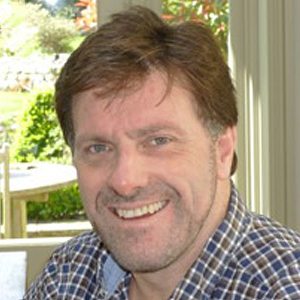
John Bunzl is a business man with a simple and yet powerful new vision for global governance: simultaneous policy action. In 2000 John founded the International Simultaneous Policy Organisation (ISPO) and launched the Simultaneous Policy (Simpol) campaign; an exciting new way for citizens to actively use their votes to propel their governments to act together to solve global problems.
About Ken Wilber
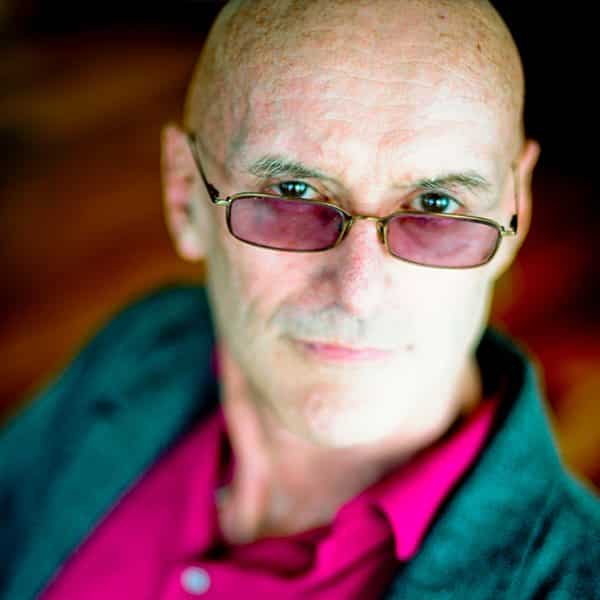
Ken Wilber is a preeminent scholar of the Integral stage of human development. He is an internationally acknowledged leader, founder of Integral Institute, and co-founder of Integral Life. Ken is the originator of arguably the first truly comprehensive or integrative world philosophy, aptly named “Integral Theory”.
