

In this episode 12 chapters
- Grace and Grit
Ken calls his five years with Treya through her cancer the most transformative of his life.
- Illness as Teacher
Adyashanti tells how his father opened into love while facing death, and how years of nerve pain wore away everything unessential in himself.
- Look Who Thinks He's Nobody
A look at spiritual materialism: ego can hide inside transcendence and even turn humility into pride.
- Love Beyond Compassion
Adyashanti describes unexpected Jesus experiences that brought a love he hadn't found in Zen's compassion.
- Enlightenment Restores Humor
Lightness and enlightenment belong together.
- Spirit in the Muscles
Ken describes intense weightlifting, where each final rep is a small death, and how he trains with chronic fatigue.
- Love, Power, and Sovereignty
Ken argues that non-duality means not clinging to either side of a polarity while still balancing love and power in the world.
- Waking Up Meets Growing Up
The experience of awakening may stay the same while how we interpret it changes, sometimes harmfully.
- A Horse Race of Worldviews
In a culture split between frames that are evolving and frames that are digging in, Ken criticizes pluralism's performative contradiction.
- Anal Probes and Advanced Beings
On life elsewhere in the universe: Adyashanti hopes contact would humble us, and Ken argues any visitors would be far more advanced.
- Movies as Condensed Experience
Ken describes his daily routine and his love of film as a way to take on other perspectives.
- Mountains, Mukti, and Perfume
Adyashanti talks about the Sierra Nevada, his wife Mukti, the feeling of 'not enough' that came just before his biggest awakening, and practice that runs on inspiration.
Become a member to access the full episode
Start building your big picture mind & support the global emergence of Integral consciousness

“Integral Life is the most important and globally-relevant platform for the leading edge of Integral consciousness evolution”
– Eugene P.
A lively, intimate, and tremendously moving discussion that covers an astonishing amount of ground — ranging from Ken and Adya’s personal lives, to spiritual materialism and enlightened activism, to the outermost frontiers of knowledge, technology, and future potentials.
Listen as Ken and Adyashanti discuss:
- What were the most formative experiences in Ken and Adya’s spiritual journeys?
- How can we overcome spiritual materialism?
- How can we integrate love with power?
- How is Christian mysticism different than mainstream Christian religion?
- What is the relationship between humor and enlightenment?
- Why is body practice such an important part of the spiritual path?
- How can we practice nondual activism?
- How has enlightenment evolved over the years?
- What does the future of technology have in store for us?
- How has postmodernism made progress so difficult?
- Does extraterrestrial life exist, and will we ever make contact with it?
- What do Ken and Adya do in their spare time?
Other pieces in this series


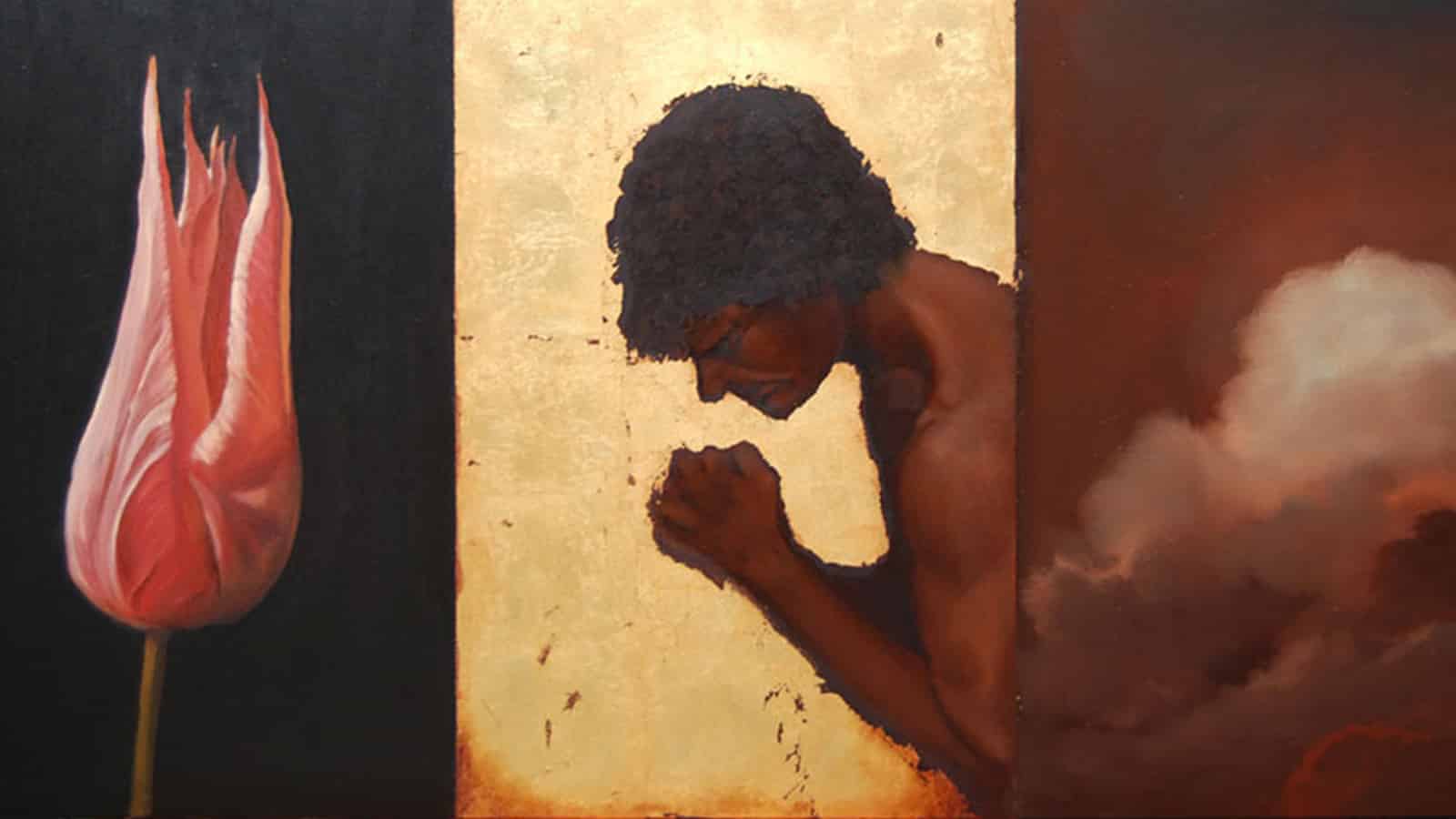


About Adyashanti
Adyashanti (Sanskrit word meaning, "primordial peace"), is a spiritual teacher from the Bay Area who gives regular Satsangs in the United States and also teaches abroad. He is the author of several books and is the founder of Open Gate Sangha, Inc. a nonprofit organization that supports, and makes available, his teachings.
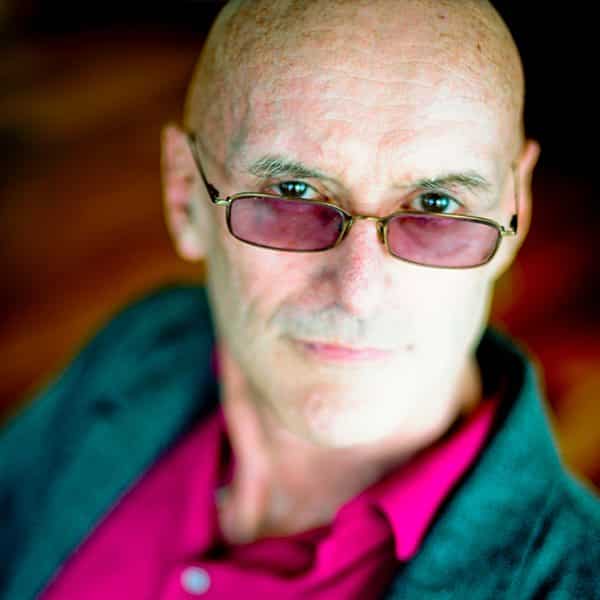
About Ken Wilber
Ken Wilber is a preeminent scholar of the Integral stage of human development. He is an internationally acknowledged leader, founder of Integral Institute, and co-founder of Integral Life. Ken is the originator of arguably the first truly comprehensive or integrative world philosophy, aptly named “Integral Theory”.
