
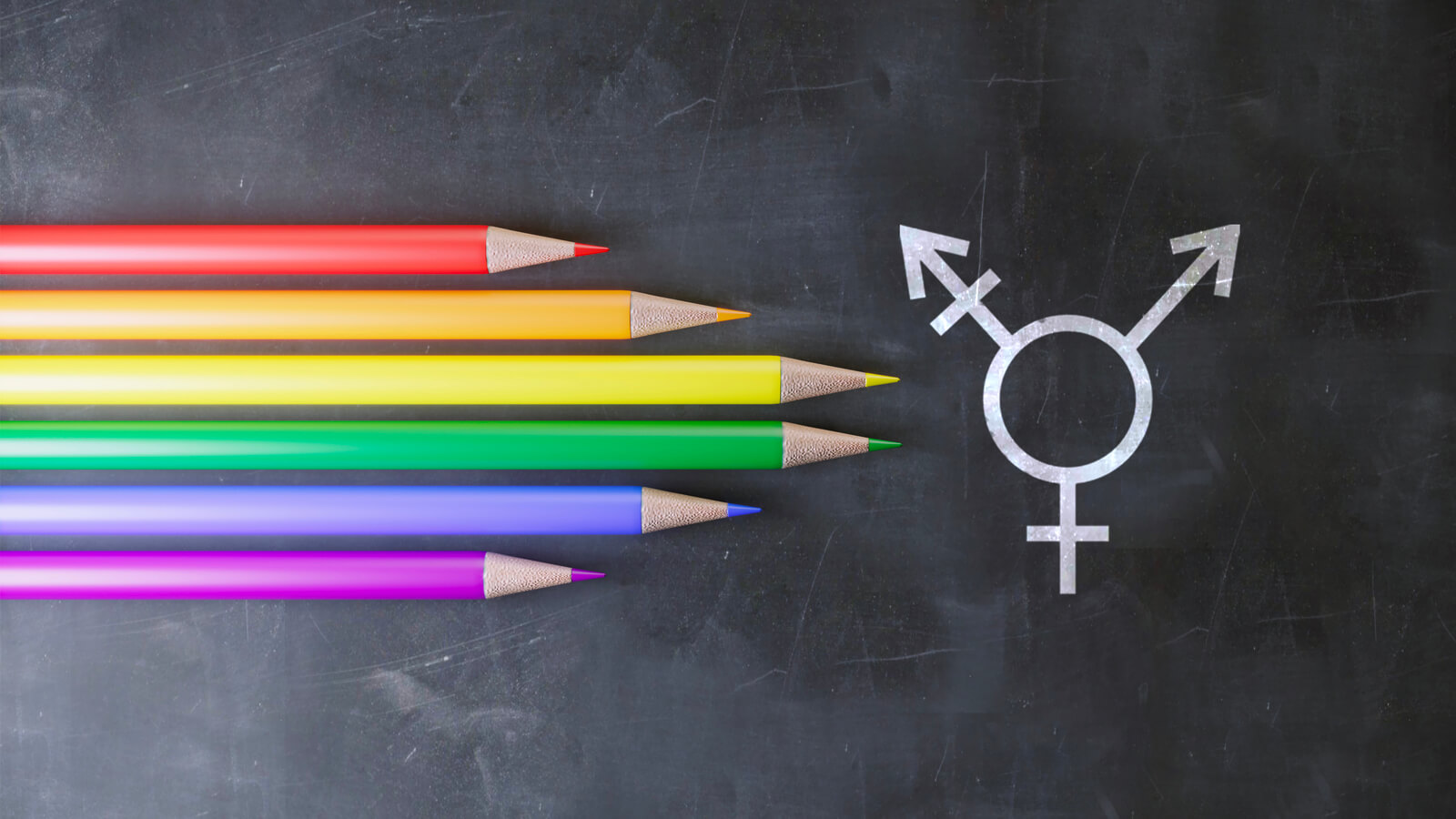
In this episode 10 chapters
- The "Don't Say Gay" Fault Line
Corey frames Florida's parents' rights bill and asks what developmentally appropriate teaching about sex and gender looks like.
- Discovery, Data, and the Dutch
Keith explains how children discover their gender and compares the Netherlands' staged sex education, with its far better outcomes, to America's abstinence-only model.
- Trend, True Self, and Risk
Keith accepts that wider acceptance may produce more false positives, then walks through how he would carefully assess a trans teen and what the medical path involves.
- Whose Rights Are Protected?
Keith reacts to Texas treating gender-affirming care as child abuse and to a Supreme Court willing to take rights away.
- No Forbidden Topics
Keith describes how his son learned about sex through a thousand casual, honest conversations, and how age-appropriate truth removes shame during key stages of development.
- Threading the Teal Needle
Keith criticizes pro-unborn advocates who offer no support once the baby arrives, and Corey suggests that for hard Amber the cruelty works as a deterrent.
- Clear Answers for Concrete Minds
Picturing a girl with two moms whose question goes unanswered, Keith explains why concrete-operational kids need clear answers.
- Porn as Sex Ed
With kids seeing porn as young as nine, Keith and Corey argue for treating it like an addictive substance that needs limits, and for talking openly so kids don't learn what's normal from porn alone.
- Video Games and the Warrior
Corey reads violent video games as a sign of an unintegrated martial heritage and maps games onto developmental stages.
- A Container for Every Kid
Keith sums up his view: support every child's gender and sexuality with patience while watching for coercion and harm.
Become a supporting member to watch the full conversation
Humanity is entering the Transformation Age, a new era of human civilization, with Integral Consciousness rising at its leading edge. Our members don’t use Integral Life as just another media subscription they use weekly or discard. Instead, most stay with us for years, using Integral Life to learn Integral Philosophy and build an integral mind slowly, methodically and when they need it. We’re here to help you shape the future that’s emerging no matter where your life takes you.
Get Full Access For $1 (7 days)* Or explore all membership plans → * Trial price for the first 7 days, then $20/month. Cancel or switch plans in 2 minutes at any time.There has been a great deal of controversy in recent months around what exactly our schools should or shouldn’t be allowed to teach, in relation to topics of sex, gender, and identity. And of course one of the central fault lines for this particular culture war runs directly through the state of Florida, where a recent “parents rights” bill was passed by Governor DeSantis — which the left characterizes as a “don’t say gay” bill that is in effect limiting speech in the classroom.
This particular battle has become incredibly heated, as the left accuses advocates of the bill as being homophobic, transphobic, sexist, etc. Meanwhile, the right is labeling the bill’s critics as being “groomers”, or even outright pedophiles.
Here is what the relevant part of the bill says:
“Classroom instruction by school personnel or third parties on sexual orientation or gender identity may not occur in kindergarten through grade 3 or in a manner that is not age-appropriate or developmentally appropriate for students in accordance with state standards.”
So what exactly are “developmentally appropriate, age-appropriate” ways to teach kids about sex, gender, and identity — not only for kids in kindergarten through third grade, but throughout the rest of childhood and adolescence? Which aspects are more appropriate to teach at home, and which are appropriate to teach at school? Watch as Dr. Keith and Corey share their thoughts!
Previous Episodes of Witt & Wisdom


Suicidal Empathy
 Dr. Keith Witt
 September 10, 2026
Related Media

What’s Wrong With Education (And How Can We Fix It?)
Mark Fischler and Corey deVos
Broken education produces broken people. How can integral perspectives and practices help our education systems generate more happy, healthy, and wholesome kids? Watch as Mark and Corey take a close look at the many dysfunctions, injustices, and failures we see in our education system — both within the system (how and what kids are being taught) as well as surrounding the system (access to education, funding, etc.).
Coding Gender: Using IMP to Construct a Content Analysis of Gender Definitions in Scientific Research
Jeff Cohen
The pervasive influence and conceptual complexity of gender as a scientific construct has lead to attempts to explain it from multiple perspectives. When each of these perspectives is offered, it tends to be presented as a complete explanation. Each perspective, however, likely offers only a partial truth concerning the enactment of gender. The recognition of the partiality of these perspectives indicates that each should be considered in some form when trying to address the full complexity of gender. It also makes clear that none should be privileged above any other. Through the application of the Integral model and Integral Methodological Pluralism (IMP), this article develops a broader and deeper conceptual and operational model for the study of gender than those that have been typically applied.
Using Integral Theory in the Classroom
Jack Crittenden
The first part of this article discusses the need for the application of Integral Theory, a postdisciplinary model, to university and academic culture. The second section examines the need for and current status of character education. It uses the AQAL framework to outline an Integral Character Education, which not only includes inculcating values in an individual but also the requisite behaviors associated with those values, as well as the need to anchor them in social interaction and a common ethos.
Become a member to access the full episode
Start building your big picture mind & support the global emergence of Integral consciousness

“Integral Life is the most important and globally-relevant platform for the leading edge of Integral consciousness evolution”
– Eugene P.
About Keith Witt
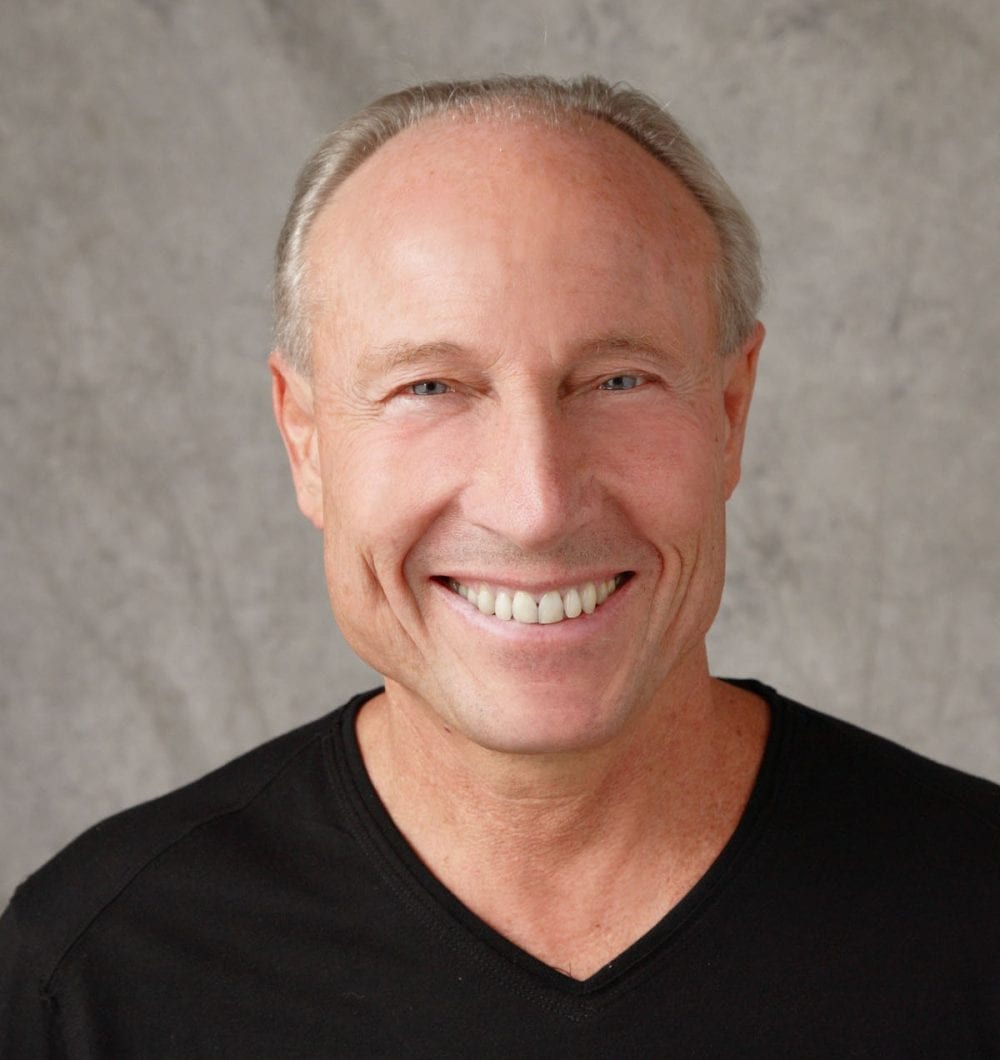
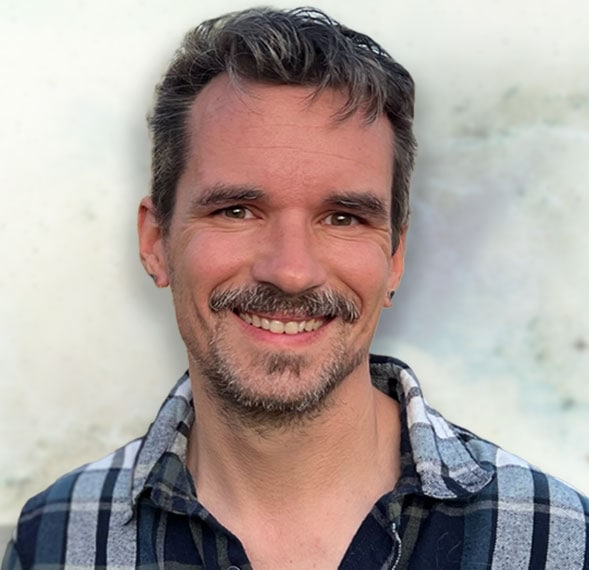
Dr. Keith Witt is a Licensed Psychologist, teacher, and author who has lived and worked in Santa Barbara, CA. for over forty years. Dr. Witt is also the founder of The School of Love.
About Corey deVos
Corey W. deVos is editor and producer of Integral Life. He has worked for Integral Institute/Integal Life since Spring of 2003, and has been a student of integral theory and practice since 1996. Corey is also a professional woodworker, and many of his artworks can be found in his VisionLogix art gallery.
